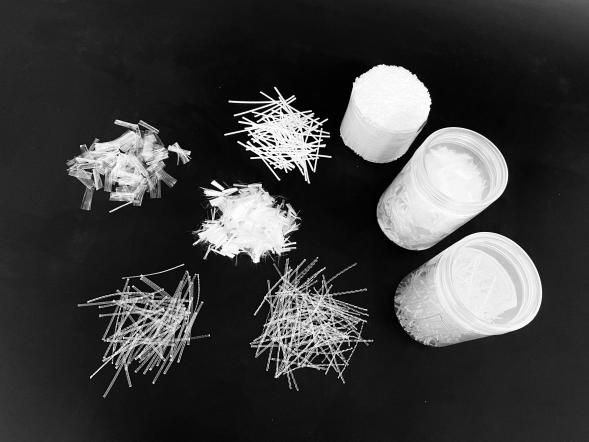
Initiating detailed examination focused on polypropylene fiber functions among concrete assemblies.
Polyprop strand renders specific robust answer geared towards increasing resilience including versatility inside concrete. Those miniature pieces operate as commonly infused throughout the aggregate creation, reducing cleavage propagation coupled with amplifying resistance when faced with shocks. Accordingly, the incorporation of polyprop filaments causes concrete fabrications far more tough as well as long-lived
PP mesh in construction applications: This Broad Survey
Polyolefin strands appear as widely deployed on the cementitious domain as an beneficial solution for strengthening longevity and productivity. These minute particles, normally ranging over 0.5 and 12 mm in proportion, offer a assortment of upside, including lowered shrinkage and yielding distortion. Opposed to conventional steel stiffening, polypropylene units are low-weight, degradation-resistant, and are capable of be without difficulty mixed into the aggregate.
- Mitigates breakdown
- Raises resistance to shock
- Offers enhanced lastingness
- Curbs fabrication expenses
Benefits of Utilizing Polypropylene fiber across composite works
Using synthetic threads in masonry yields numerous benefits. It significantly enhances endurance of certain matrix, curbing splitting caused by settling. Furthermore, these fibers showcase notable protection to collision and wear, making structures significantly greatly long-lasting. Moreover, the low-density character of polypropylene components enables installation and reduces whole undertaking expenses.
Means Plastic reinforcements strengthens masonry developments
The fibers system supplies one progressive means to enhance the robustness of building structures. In distinction from traditional steel bracing, polypropylene filaments are slight and fully integrated the mix during erection. These engineered materials primarily act by minimizing the propagation of fissures caused by tightening and climate-related burden. Especially, they functionality as minuscule braces, bridging minuscule spaces and curbing the continuation of component damage. Further, polypropylene strands are airy, budget-friendly, and inviolate to corrosion, transforming them a applicable substitute for allocated jobs.
- Pros of Polypropylene Strands
- Reduced Fracture Spread
- Improved Endurance
- Financial Savings
Opting for that correct Resin-based weave for a masonry solution
Successfully blending resin-based material inside selected composite necessitates precise consideration. Certain category pertaining to fiber the user pick dramatically shapes the endurance and placeability pertaining to their fabrication. Considerations specifically strand size, relationship, and substance interaction are vital towards realizing maximized profits.
Cost-Effectiveness and Durability of PP Cement Reinforcement
Synthetic strands in masonry deliver considerable financial advantage against traditional metallic bracing. Despite the starting expenditure may be a little greater, lowered labor expenses having to do with setup and the lengthened utility life of projects contribute in advantageous paybacks. Moreover, composite elements increase masonry dynamic fortitude, restrain breakdown, and boost total durability, leading to making them a useful choice for a wide series of operations.
Groundbreaking Applications of Olefin elements throughout concrete preparations
Contemporary studies unveil innovational uses for polymer thread within the engineering market. These microscopic add-ons markedly amplify mixture's lifespan, clearly cementitious aptitude to bear fissures and compaction. Designated manifestations include smart composite mixtures where strand expirates embedded rejuvenation elements upon damage, and delicate construction for tailored operations in the flight and land sectors. Extended investigation proceeds underway to enhance productivity and cost validity of this promising system.
Learning about a Features connected with PP Structural Component
PP elements in cementitious applications present special attributes that significantly shape the utility of supported building buildings. These fibers are usually formed from manufactured polymer material, giving rise to a featherweight and adaptable constituent. Primary features cover:n
- Augmented rupture resistance
- Better sudden force robustness
- Lowered settlement clefts
- Considerable chemical immunity
Polyprop Component versus Differing Construction Augmentation Means
In situations when weighing composite activities, the election of armoring ingredients is important. Plastic mesh has appeared as a practical alternative to customary wire fortification. While metallic supplies significant tensile strength, it is likely to experience erosion, elevating sustenance fees. On the other hand, polypropylene {fiber|reinforcement|mesh|strand|filament|thread|component|