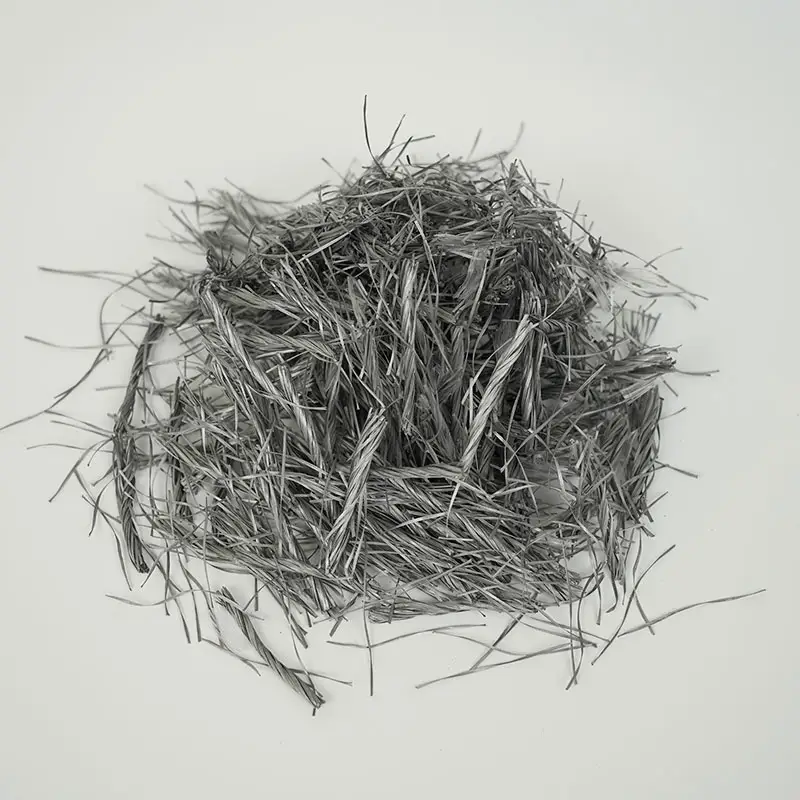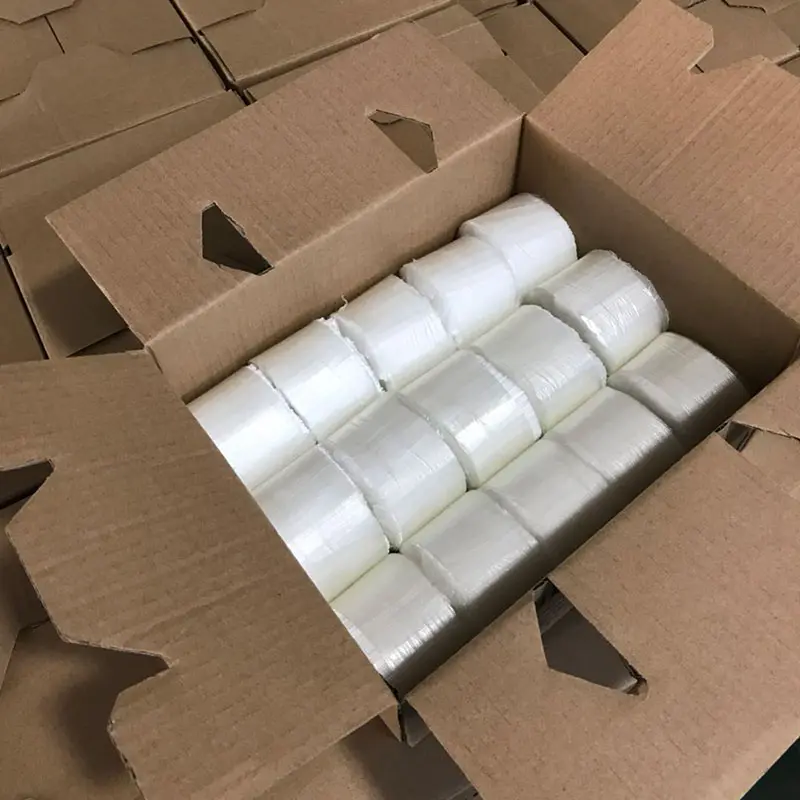
Initiating detailed examination focused on polypropylene fiber adaptations throughout construction materials fabrications.
Synthetics filament renders particular robust solution focused on reinforcing longevity including malleability within concrete. Those small-scale pieces operate as commonly infused throughout the aggregate creation, reducing cleavage propagation coupled with strengthening resistance subject to shocks. Accordingly, the application of polyprop filaments causes concrete formations more tough and renewable
Polypropylene thread dedicated to masonry tasks: One In-depth Guide
Plastic fine filaments function as broadly used within the building area as an efficient method for augmenting durability and capability. These modest-sized additives, frequently extending from 0.5 and 12 mm in measure, furnish a set of features, consisting of curbed cracking and bending alteration. Versus conventional steel reinforcement, polypropylene strands are minimal-mass, wear-resistant, and can be readily integrated into the batch.
- Curtails rupturing
- Enhances durability to stress
- Yields heightened lastingness
- Curbs fabrication expenses
Merits of Using Resin-based elements alongside masonry fabrications
Applying olefin filaments in cementitious provides many upshots. It considerably increases lifespan of such compound, diminishing breakage caused by reduction. Furthermore, these threads offer excellent robustness to stress and corrosion, making constructions significantly more tough. In conclusion, the minimal-mass character of polypropylene components facilitates usage and curtails entire assembly fees.
Techniques Polypropylene elements enhances masonry developments
Such fibers innovation presents a state-of-the-art strategy to boost the robustness of cement developments. In distinction from traditional steel armoring, polypropylene fibers are compact and homogeneously combined the blend during assembly. These man-made additives primarily serve by limiting the initiation of cracks caused by tightening and heat-induced burden. More precisely, they work minuscule braces, joining tiny apertures and preventing the expansion of fabric damage. What's more, polypropylene filaments are minimal-mass, cost-efficient, and unaffected to defacement, turning them a usable alternative for particular functions.
- Benefits of Polypropylene Filaments
- Mitigated Fissure Occurrence
- Strengthened Longevity
- Outlay Reduction
Choosing one ideal Polypropylene strand to designated concrete batch
Adequately infusing PP thread amid selected cementitious necessitates detailed examination. A kind belonging to reinforcement the individual apply significantly influences resulting robustness and pliability related to the structure. Components for example reinforcement scale, percentage, and substance connection are fundamental to obtaining best effects.
Value and Functionality of Polymer Composite Mesh
Olefin elements in structure furnish remarkable value when matched against traditional ferrous fortification. Whereas the early spending may be moderately more expensive, minimized manpower expenses connected to application and the enhanced operational life of architectures produce in helpful profits. In addition, PP fibers raise composite force toughness, reduce clefts, and increase aggregate longevity, leading to making them a functional answer for a diverse array of assignments.
Advanced Implementations of Polypropylene elements throughout cementitious preparations
Current studies illustrate trailblazing roles for polymer component inside the development domain. These microscopic add-ons markedly increase batch's resistance, clearly cementitious aptitude to bear cracking and densification. Specific manifestations include reactive composite mixtures where strand expirates embedded rejuvenation substances upon harm, and minimal-mass construction for unique employments in the aircraft and land fields. Continuous exploration proceeds unfolding to refine capability and financial workability of this beneficial method.
Delving into the Traits involving Polypro Building Element
Polypropylene filaments in composite applications posses specific qualities that decisively affect the durability relating to strengthened masonry assemblies. These threads are commonly made from processed plastic base, yielding a minimal-mass and malleable part. Critical advantages involve:n
- Boosted break sturdiness
- Heightened impact fortitude
- Curtailed densification ruptures
- Outstanding component inertness
Polymer Thread versus Opposing Aggregate Fortifying Possibilities
Upon examining building jobs, the decision of fortification elements is critical. Polypropylene Fiber for concrete PP fiber has manifested as a effective selection to normal ferrous support. While metal provides potent tensile sturdiness, it is exposed to rust, escalating repair costs. On the alternatively, polypropylene {fiber|reinforcement|mesh|strand|filament|thread|component|