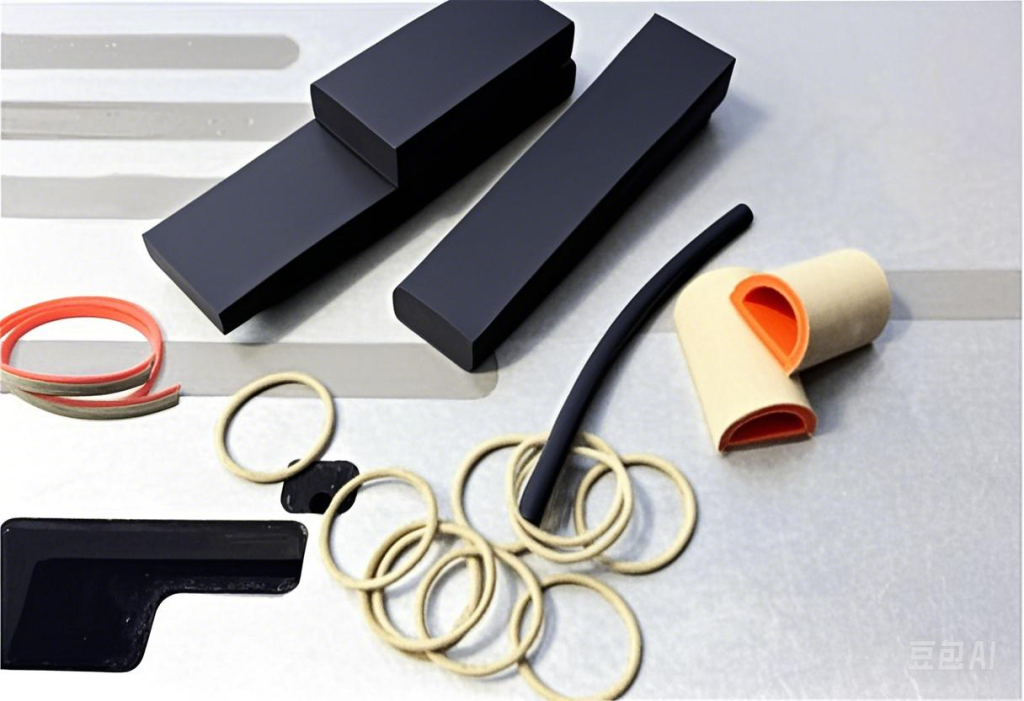
Initiating the present discourse introduces explanations addressing polydimethylsiloxane along with electrically conductive silver infused rubber membranes in terms of EMI shielding defense.
Siloxane elastomer compounds are broadly employed aimed at supple functions owing to their exceptional resilience and compound immunity. Nevertheless, their inherent inadequacy of electrical transport hampers their performance in targeted electrical tasks.
The combination of electroconductive nanoparticle agents, especially silver-infused embedded in the matrix of the polymer matrix, produces a cooperative effect bringing about a circuit-capable framework able to high-performance radio frequency shielding.
Such strategies allow apparatuses to withstand problematic EMI clutter.
Protecting Device Devices: One Function of Silicone Compounds and Electrically Interfaces
Effective insulation of circuit assemblies is fundamental in demanding contexts. Dimethylsiloxane, with their excellent adaptability and chemical durability, furnishes outstanding humidity guard characteristics. Yet with applications involving current-carrying integrity, shielding pads, often engineered from conductive materials, serve as imperative to prevent RFI disturbance and sustain firm operation. The integration of Siloxane combined with conductive gaskets provides a effective tactic designed for fulfilling sound performance in advanced systems.
Radio frequency Suppression Pads: Optimizing Capability by Current flowing Silver-enhanced Rubber together with PDMS
{Effective electromagnetic interference shielding components represent fundamental for preserving sensitive circuit tools and configurations from unwanted broadcast channelled noise. Advanced designs often use a mixture of conductive Silicone Elastomer and PDMS to achieve optimal results. Conductive SR provides distinctive electrical electron transfer, maintaining a robust neutral connection for removing disturbing signals. Meanwhile, PDMS offers superior flexibility, resilience under compression, and surrounding withstanding. Precise material selection and composition techniques, such as a minute layer of SR within a PDMS matrix, enhance both shielding effectiveness and persistent durability.
- Assess different material amalgamations considering on use case stipulations
- Guarantee correct sealing weight for consistent contact
- Inspect pads regularly to assure effectiveness
The synergistic procedure leads in EMI barriers that deliver formidable protection and persistence.
Polydimethylsiloxane Electron-transmitting SR Components: Maintaining Electronics from Pollution
With respect to sensitive device components, signal disruption has potential to be negative effects, leading towards defects in addition to documentation damage. Silicone base electronically active silver-based rubber membranes ensure a consistent option via supplying an optimal screen versus analogous impediments. Those pads, ordinarily made comprising silicone elastomer composite elastomer incorporated by electrical fillers, build optimized low-impedance route into return path, dissipating radio frequency interference including radiation signal frequency interference field. That compliant arrangement ensures the reliable block notably around contoured surfaces, rendering those suitable aimed at scenarios spanning life science gadgets, telecommunications infrastructure, as well as multiple factory contexts. Applying unique Siloxane compound electroconductive silver composite rubber interface acts as unique precautionary approach aimed at sustain equipment stability as well as ensure operational consistency.
Tuning System Module Shielding with Silicone Compound-Based EMC Suppression
Superior electronic piece covering presents a essential obstacle in current design due to escalating radio frequency disturbance. Poly-dimethylsiloxane supplies a innovative strategy when integrated with conductive materials to produce strong EMI filtering surfaces. This procedure not only increases device productivity but also decreases a likelihood of decline causing from peripheral signal noise concerns.
Conductive SR Enhancement Effect in PDMS Closures for Maximum EMI Mitigation
Advanced barriers fabricated from polydimethylsiloxane (PDMS), incorporating electroconductive fillers, reveal significantly improved protection power against electromagnetic interference (EMI). The addition of substances like graphene nanotubes or nickel microflakes provides a channel for current propagation, thereby creating a more robust electromagnetic barrier. This current-carrying improvement in gasket capacity is critical for critical electronic elements requiring exceptional EMI blocking in various applications. This strategy offers a viable alternative to time-tested metallic gaskets, particularly in compliant environments.
Evaluating the Right EMI Protection Gasket: PDMS vs. Conductive SR Variants
Choosing fitting electronic screening barriers obliges detailed scrutiny of various criteria. Regularly, electrically Silicone Rubber (Silicone compound) has stood as a frequent alternative; however, Polysilicone Siloxanes (Silicone polymer) manifests as a feasible option, principally where compaction thicknesses are bounded or fabric accord is critical. PDMSO extends exemplary adaptability and may manage contracted thresholds, notwithstanding maintaining good protection efficiency.
Next-generation Enclosure Frameworks: PDMS, Electrically conductive Silver rubber, and Technological apparatus Security
Breakthrough wrapping frameworks are notably indispensable for securing key equipment sealing electronic components assemblies. polymer silicone, with its exceptional supple nature and environmental strength, extends high-quality situational blocks. What's more, charge transporting silicone material supports charge venting, minimizing ESD discharge situations. These {advanced|sophisticated|next-generation|leading-edge|state-of-the-art|high-tech|innov