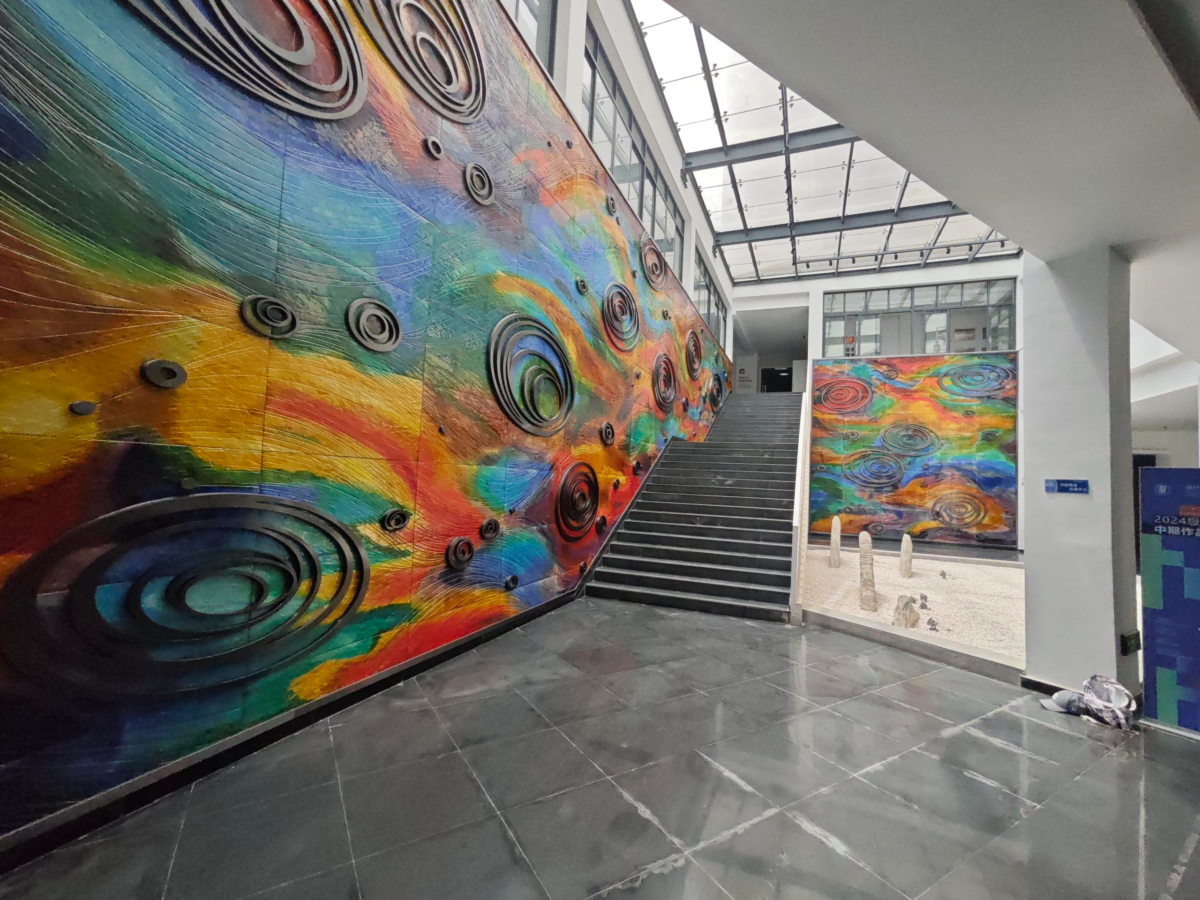
Stoneware statue illustrates a remarkable practice form with a lengthy heritage, extending back multiple of years. From ancient holders to state-of-the-art exhibitions, the element offers unsurpassed possibilities for creative representation. Builders work with several techniques – including fabricating, wheel spinning, and complex firing processes – to fashion humble clay into evocative three-dimensional objects. The toughness of fired ceramic also contributes to its status as a truly important part of human society.
Analyzing Clay Plaque Motifs and Procedures
The area of ceramic emblem design offers a vast array of innovative possibilities. Creators often apply a integration of ancestral and innovative techniques to create visually beautiful pieces. These can span from simple, engraved reliefs to complex, multi-layered designs. Typical methods include pattern casting, manual forming, enameling – which can involve numerous techniques like painting before firing, final glaze adornment, and scraped artwork where designs are made visible by eroding a layer of sheen. Enhanced scrutiny into finishing techniques such as the raku firing method and lustre decoration can produce truly unique and personalized brick shields.
- Template Making - Fabricating pieces using a cast
- Manual Fabrication - Carefully molding the material
- Glazing - Smearing the shell with a silky finish
- Incised pattern - Exposing designs by removing surfaces
Entrancing Experiences: Porcelain Art Displays
The evolving landscape of culture presents exciting cutting-edge avenues for participants, and ceramic art installations are at the forefront of this progression. These aren't just static works; they are crafted to envelop the guest in a sensory surrounding. Imagine passing through a forest of towering, glazed ceramic trees, or navigating a cluster of fine ceramic vessels. Many artists are now incorporating noises, lighting, and even fragrance to enhance the mood of their work. Picture the power of a room filled with hundreds of expertly ceramic pieces, each telling a narrative. Habitually, such installations examine themes of nature, nostalgia, and humankind.
- These particular installations blur the limits between sculpture and construction.
- Witnessing a ceramic art installation can be a deeply profound journey.
- Designers are advancing the parameters of what is realizable with clay.
This Attractiveness of the Earthenware Receptacle: Use and Configuration
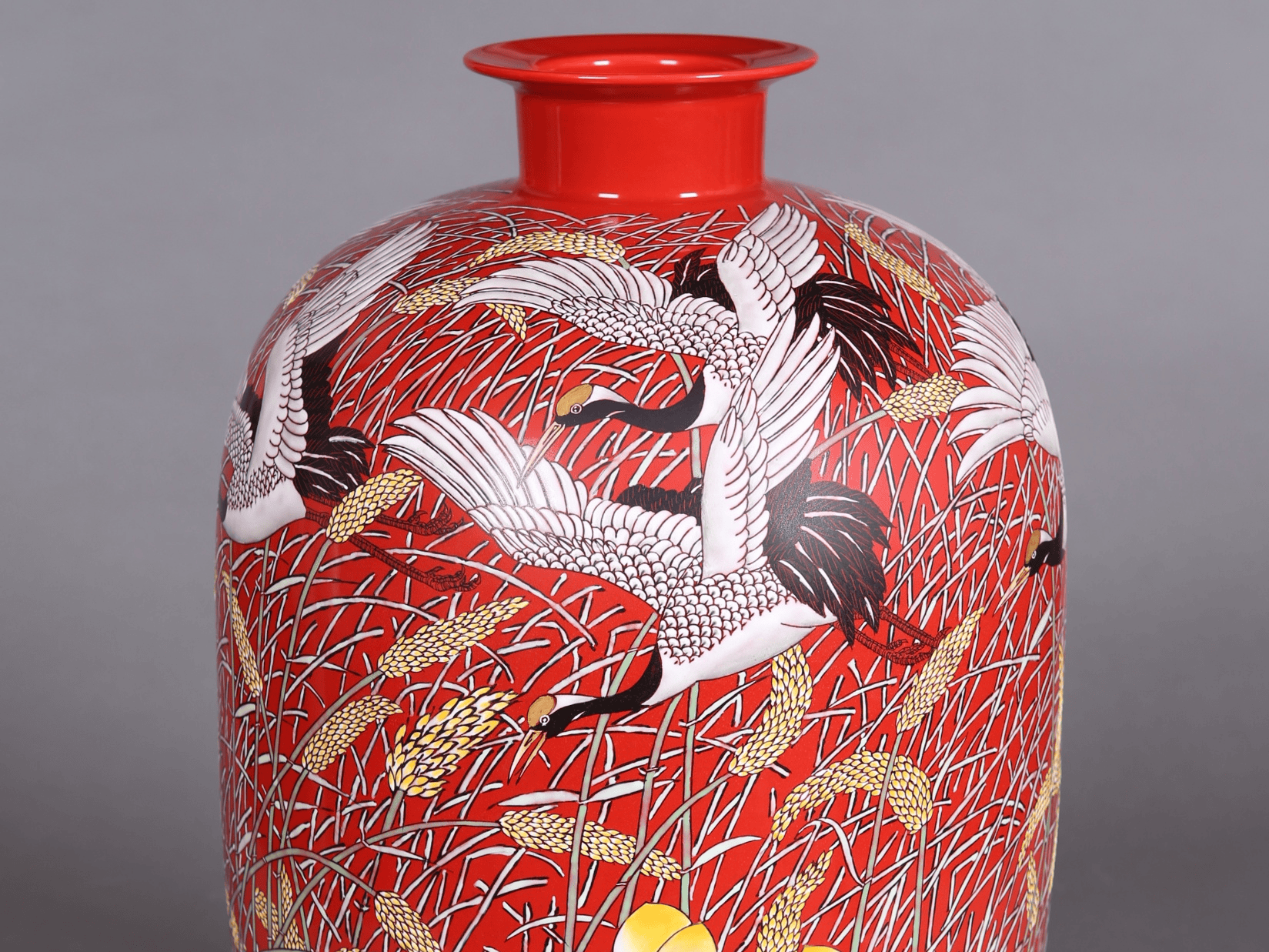
The earthenware holder represents a wonderful integration of practicality and creative appeal. Historically, these canisters served a essential duty in sustaining contents, but their transformation has transformed them into highly valued works of handiwork. Each item showcases the ability of the builder, demonstrating how design can be as vital as application. The precise shaping, the uncommon glazes, and the aggregate presence of a finely-produced holder can raise a space, offering both charm and a reserved reminder of the human hand.
Current Terracotta Design : Extending Edges
Latest porcelain sculpture represents a fascinating departure from established practices. Sculptors are enthusiastically innovating with original strategies, merging the separations between sculpture and various visual domains. From colossal installations to elaborate miniature pieces, noted works explore themes of culture while concurrently revolutionizing the nature of what stoneware can become. The byproduct is a vigorous sphere of expressive display.
Brick Badge: Keeping Annals in Brick
Brick plaques offer a singular method for noting significant events and souls. Distinguished from traditional metal or stone markers, these enduring pieces of production are formed from treated clay, creating a real link to the earlier period. Habitually, they present intricate etchings or carefully illustrated imagery, conveying stories One Hundred Blooms that might otherwise be overlooked. This technique, originating in ancient civilizations, provides a striking and timeless way to remember our collective history.
- Such can be situated in public spaces.
- A large number of are now acknowledged historical heirlooms.
Clay Art Displays: Modifying Settings
Porcelain art installations are becoming a powerful medium for makers to reinvent public and private venues. These immersive compositions frequently involve grand clay structures that engage viewers, reshaping their interpretation of the constructed environment. By infusing diverse procedures like slab forming and comprehensive firing systems, ceramic artists produce truly extraordinary experiences, softening the boundaries between production and environment. The effectiveness is often a emotional transformation that boosts the artistic quality of the environment and inspires debate.
Start Wheel to Spectacle: The Craft of the Terracotta Pot
The journey of a terracotta pot from a simple lump of mud to a complete work of mastery is a testament to human ingenuity. Previously, the process begins with the potter’s rotating tool, where the skilled artisan crafts the circling material into a cylindrical profile. This first period demands precision and a sharp eye, followed by a delicate strengthening period. Once partially baked, the holder is ready for decoration, which may consist of illustrating intricate patterns, sculpting detailed portraits, or using a range of surfaces. The ultimate curing process then renders the piece into a durable and remarkable jar, a tangible demonstration of the artisan's skill.
Sculpting with Ceramic Material: A Handbook to Porcelain Art
Entering the field of terracotta production begins with grasping the essentials of forming with terracotta. One process entails meticulously incorporating and chiseling volume to create three-dimensional forms. Whether you're a newcomer or a proficient creator, engaging with alternative genres of brick – such as earthenware – will assist you uncover your distinctive voice. Eventually, earthenware crafting is a gratifying experience that integrates specialized competence with innovative manifestation.